203, Maharaja Square, Nr. Maharaja Chowk, Sunpharma Road, Vadodara - 390012


A building’s exterior is constantly exposed to dust, pollution, rain, moisture, stains, and changing weather…
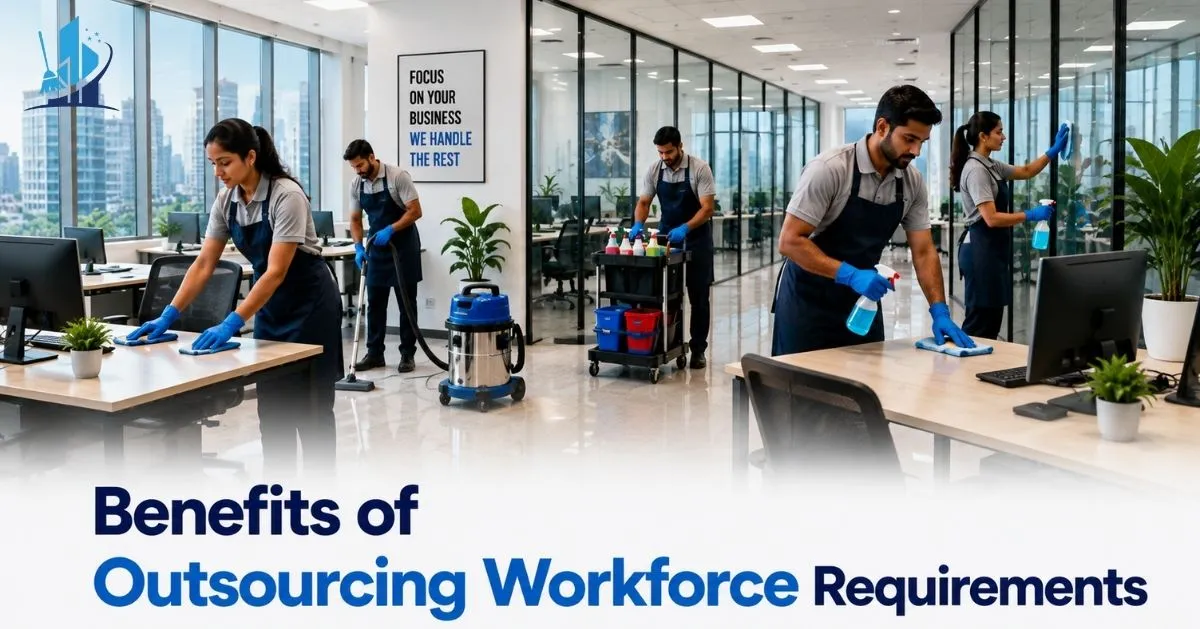
Managing a workforce is an important part of running any business, but maintaining the right number of employees can become challenging when workloads change. Seasonal demand, new projects, staff shortages, and recurring operational tasks may create a need for additional workers.
Instead of handling every staffing requirement internally, businesses can consider Outsourcing Workforce needs to an external service provider. This approach can provide additional workforce support while reducing some of the effort involved in recruitment and day-to-day staffing management.
What Does Outsourcing Workforce Mean?
Outsourcing workforce means arranging workers through an external provider to support specific business activities. Depending on the requirement, businesses may outsource housekeeping, cleaning, general labour, warehouse support, facility assistance, and other routine operational tasks.
The arrangement can be planned according to the number of workers required, type of work, schedule, and duration of support.
Why Do Businesses Outsource Workforce Requirements?
Workforce requirements are not always consistent. A business may need additional workers during busy periods but may not require the same staffing level throughout the year. Outsourcing Workforce requirements can provide businesses with a practical way to manage these changing needs without making every additional staffing requirement a permanent hiring decision.
Benefits of Outsourcing Workforce Requirements
1. Reduces Recruitment Workload
Hiring workers internally involves sourcing candidates, screening, documentation, onboarding, and other administrative activities. Outsourcing can reduce the amount of recruitment work handled directly by the business.
2. Provides Greater Workforce Flexibility
Businesses can adjust workforce requirements according to workload and operational needs. This can be particularly useful when staffing requirements change over time.
3. Helps Manage Staff Shortages
Unexpected absences, employee turnover, or increased workloads can create staffing gaps. External workforce support can help businesses arrange additional workers when required.
4. Supports Routine Operations
Outsourced workers can assist with everyday activities such as housekeeping, cleaning, warehouse support, general labour, and facility-related tasks. This allows internal employees to focus on their primary responsibilities.
5. Simplifies Workforce Planning
An external provider can help businesses arrange workforce support based on agreed requirements. This makes it easier to plan the number of workers, schedules, responsibilities, and duration of service.
Where Can Outsourced Workforce Support Be Used?
Outsourced workforce arrangements can be suitable for different types of businesses and operational environments..
| Business Area | Possible Workforce Support |
| Offices | Housekeeping and general support |
| Commercial Buildings | Cleaning and facility assistance |
| Warehouses | Loading, unloading and general labour |
| Hotels | Housekeeping and support staff |
| Factories | General operational assistance |
| Retail Spaces | Cleaning and routine support |
The actual workforce requirement depends on the type of business, workload, and responsibilities involved.
Outsourcing vs Managing Workforce Internally
Managing workers internally gives businesses direct responsibility for recruitment, scheduling, supervision, and workforce administration. While this may work well for permanent roles, it can become demanding when staffing needs frequently change.
With outsourced workforce support, some of these responsibilities can be handled through an external provider according to the agreed service arrangement.
The right approach depends on the business’s workforce size, operational requirements, budget, and need for flexibility.
Need reliable workforce support? Contact Us to discuss your staffing requirements.
What Should Businesses Consider Before Outsourcing?
Before choosing an outsourcing arrangement, businesses should evaluate:
- Number of workers required
- Type of work involved
- Working hours and schedules
- Duration of workforce support
- Experience of the service provider
- Worker availability
- Supervision and reporting requirements
- Contract terms and responsibilities
Clear requirements help businesses select a workforce arrangement that matches their actual operational needs.
When Is Workforce Outsourcing Useful?
Workforce outsourcing can be particularly useful when a business has recurring support requirements, temporary staffing gaps, seasonal workloads, or additional operational demands.
For example, a company may need extra housekeeping staff during a busy period or additional general workers for warehouse operations. Instead of expanding its permanent workforce for a temporary requirement, it can use an outsourced arrangement based on the required period and workload.
Make Workforce Management More Flexible
Workforce requirements can change as businesses grow and operations become more demanding. Having access to external workforce support can make it easier to respond to these changes without placing the entire staffing burden on internal teams. With suitable Outsourcing Workforce arrangements, businesses can access additional support for routine and operational activities while keeping workforce planning more flexible.
Frequently Asked Questions
Workforce outsourcing involves arranging workers through an external provider to support specific business activities or operational requirements.
Depending on the business, outsourced workers may support housekeeping, cleaning, warehouse activities, general labour, facility assistance, and other routine tasks.
Yes. Small businesses can use outsourced workforce support when they need additional workers without maintaining a large permanent workforce.
Yes. It can be useful when businesses experience seasonal demand, short-term projects, staff shortages, or temporary increases in workload.
An external provider can help businesses arrange workers according to agreed requirements, reducing some of the recruitment and workforce coordination responsibilities handled internally.
Conclusion
Managing workforce requirements becomes easier when businesses have the flexibility to respond to changing workloads and staffing needs. Outsourcing can provide additional support for housekeeping, cleaning, warehouse activities, general labour, and other routine operations without requiring every workforce need to become a permanent hiring commitment. By using suitable Outsourcing Workforce arrangements, businesses can reduce recruitment workload, manage staffing gaps, support daily operations, and maintain greater flexibility in workforce planning.
Related Posts